
A Comprehensive Guide to Successful Event Planning:
Event coordination is both an art and a science, requiring meticulous planning, effective communication, and impeccable execution. Whether you’re organizing a corporate conference, a wedding, a community fundraiser, or any other type of event, mastering the intricacies of event coordination ensures a seamless and memorable experience for all stakeholders involved.

1. Define Your Objectives and Goals:
Every successful event begins with a clear understanding of its purpose and objectives. Define what you aim to achieve from the event—whether it’s raising awareness, generating leads, celebrating milestones, or fostering community engagement. Align these goals with the expectations of your stakeholders, including clients, sponsors, attendees, and collaborators.
2. Establish a Detailed Event Plan:
Create a comprehensive event plan that outlines every aspect of the event from start to finish. Key components of your event plan should include:
- Budget Management: Determine your budget allocation for venue rental, catering, marketing, entertainment, staffing, and other expenses. Keep track of expenditures to ensure you stay within budget.
- Timeline and Milestones: Develop a detailed timeline that specifies deadlines for tasks such as securing vendors, sending invitations, finalizing logistics, and conducting rehearsals. Set milestones to monitor progress and address any potential delays promptly.
- Vendor and Venue Selection: Choose reliable vendors and venues that align with your event theme, budget, and logistical requirements. Negotiate contracts, confirm availability, and establish clear communication channels to ensure seamless collaboration.
3. Implement Effective Communication Strategies:
Communication is the cornerstone of successful event coordination. Maintain open lines of communication with all stakeholders, including team members, vendors, sponsors, and attendees. Utilize communication tools such as emails, project management platforms, and regular meetings to keep everyone informed and engaged throughout the planning process.
- Internal Coordination: Assign roles and responsibilities to your event team members, ensuring clarity on who is accountable for each task. Foster a collaborative environment where team members can share updates, address challenges, and leverage each other’s expertise.
- External Communication: Craft compelling invitations, announcements, and promotional materials to attract attendees and build anticipation for the event. Utilize social media platforms, event websites, and newsletters to amplify your event’s reach and engagement.
4. Focus on Logistics and Operations:
Detail-oriented logistics management is essential for ensuring the smooth execution of your event. Pay attention to logistical considerations such as:
- Venue Setup and Layout: Design a functional and visually appealing event layout that accommodates attendee flow, seating arrangements, exhibitor booths, and presentation stages.
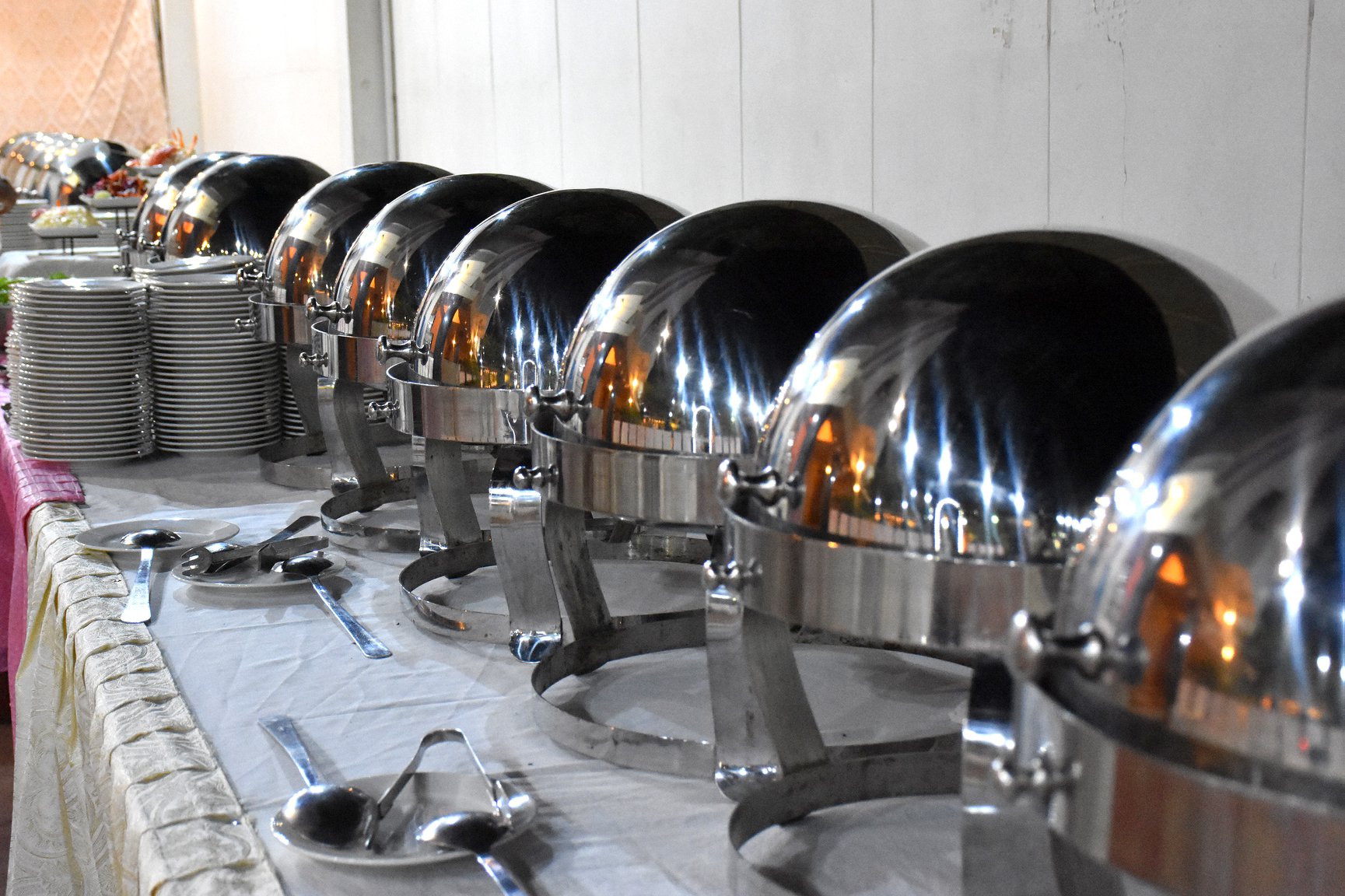
- Catering and Hospitality: Arrange catering services that cater to dietary preferences and ensure prompt service during meal times. Provide hospitality services such as coat check, registration desks, and attendee assistance to enhance guest experience.
- Technology and Audiovisual Needs: Coordinate with technical experts to set up audiovisual equipment, lighting, and stage production to support presentations, performances, and interactive elements of the event.

5. Ensure Attendee Engagement and Satisfaction:
Create memorable experiences that resonate with your attendees and leave a lasting impression. Implement strategies to enhance attendee engagement such as:
- Interactive Sessions: Incorporate interactive elements such as Q&A sessions, workshops, networking opportunities, and live polls to encourage participation and foster meaningful connections.
- Personalized Experiences: Tailor the event experience to cater to diverse attendee preferences and interests. Offer customizable agendas, personalized recommendations, and exclusive perks to enhance attendee satisfaction.
- Post-Event Follow-Up: Solicit feedback from attendees through surveys or feedback forms to evaluate event success and identify areas for improvement. Express gratitude to sponsors, vendors, and attendees for their support and participation.
6. Evaluate Event Success and Learn for Future Improvement:
After the event concludes, conduct a comprehensive post-event evaluation to assess its success against predetermined objectives. Analyze key performance indicators (KPIs) such as attendance rates, participant feedback, revenue generated, and media coverage.
- Financial Analysis: Compare actual expenditures against budgeted costs to evaluate financial performance and identify opportunities for cost savings in future events.
- Feedback and Insights: Review attendee feedback to gauge satisfaction levels and identify areas for enhancement in event planning, logistics, programming, and overall attendee experience.
- Continuous Improvement: Use insights gained from the evaluation to refine your event coordination strategies, strengthen relationships with stakeholders, and innovate future event offerings.
Conclusion:
Mastering event coordination requires a blend of strategic planning, effective communication, attention to detail, and a commitment to delivering exceptional experiences. By adopting a structured approach to event planning and execution, you can navigate challenges, capitalize on opportunities, and achieve unparalleled success in orchestrating memorable events that leave a lasting impact on attendees and stakeholders alike.